The EPC Guide to Sourcing Labor Camp Dormitories from China
For EPC contractors managing large-scale infrastructure projects, labor camp accommodation (also referred to as worker accommodation or staff housing in international procurement documents) is a critical procurement line item. It directly impacts project timelines, worker welfare, and compliance with local labor laws. Sourcing prefab flat pack container dormitories from China has become the industry standard — but procurement teams need a clear framework to evaluate suppliers, manage quality, and optimize costs.
This guide covers the complete procurement process, based on real experience delivering labor camp complexes to projects including NEOM in Saudi Arabia.
Why Source Labor Camp Dormitories from China?
Cost Advantage
China’s mature prefab construction industry offers significant cost advantages:
- Factory-direct pricing: 20-30% lower than regional modular building suppliers
- Economies of scale: Dedicated factories producing 50+ units per week
- Material cost efficiency: China’s steel and panel supply chain is the world’s largest
- FOB pricing with transparent cost breakdowns for EPC procurement departments
Production Capacity
For mega-projects like NEOM, production capacity is non-negotiable:
| Parameter | EasiHive Capacity |
|---|---|
| Factories | 3 specialized facilities |
| Total Production Area | 16,000 m² |
| Weekly Output | 50+ units |
| Monthly Output | 200+ units |
| Typical Lead Time (200 units) | 15-20 days manufacturing |
Quality & Compliance
The perception that China suppliers compromise quality is outdated. Leading manufacturers maintain:
- ISO 9001 quality management certification
- ISO 14001 environmental management certification
- Saudi SBC compliance for Middle East projects
- Australian AS 1170 compliance for mining projects
- Third-party factory inspections (SGS, Bureau Veritas, TÜV)
Labor Camp Dormitory Specifications: What to Require
Standard Worker Dormitory Unit
| Specification | Details |
|---|---|
| Dimensions | 6055 × 2990 × 2896 mm (20ft) |
| Floor Area | ~16 m² |
| Occupancy | 4 persons (bunk beds) |
| Wall Insulation | 50-75mm Rock Wool / EPS / PU Panel |
| Roof | 75mm PU Sandwich Panel with ventilation |
| Floor | 18mm Cement Board + PVC covering |
| Windows | 3× double-glazed aluminum (900×1100mm) |
| Doors | Steel security door (900×2000mm) + insect screen |
| Electrical | Pre-wired, 110-240V, circuit breaker panel |
| Plumbing | PPR pipes pre-installed for bathroom |
Climate-Specific Requirements
Different project locations demand different insulation specifications:
| Region | Climate Challenge | Solution |
|---|---|---|
| Saudi Arabia / UAE | 50°C+ summer heat | 75mm PU sandwich panel + double-skin ventilated roof |
| West Africa | High humidity + insects | Anti-corrosion coating + screened windows/elevated floor |
| Southeast Asia | Monsoon rain + heat | Waterproof roof with extended eaves + cross-ventilation design |
| Central Asia | -30°C winter | 75mm Rock Wool insulation + double-glazed windows |
The Procurement Process: Step by Step
Step 1: Define Requirements (Week 1)
Before contacting suppliers, define:
- Total bed capacity required
- Camp layout (dormitory clusters, facility distribution)
- Local building code compliance requirements
- Climate and environmental conditions
- Timeline for delivery and installation
- Budget parameters
Step 2: Supplier Evaluation (Week 1-2)
Evaluate potential China suppliers on:
- Factory visit or virtual tour (video call with factory walkthrough)
- ISO certifications (verify certificate numbers online)
- Reference projects (ask for 3+ similar-scale projects)
- Production capacity confirmation (actual workshop photos)
- Sample unit quality inspection
- Export experience to your destination country
- English-speaking project management team
Step 3: Technical Review (Week 2-3)
Review and approve:
- Engineering drawings and structural calculations
- Material specifications and test certificates
- Electrical load calculations
- Plumbing and drainage layout
- Fire safety compliance documentation
- Foundation design requirements
Step 4: Production & Quality Control (Week 3-7)
- Sample unit approval before bulk production
- Third-party inspection at factory (optional but recommended)
- Regular production progress updates with photos
- Packing inspection before container loading
- Shipping documentation preparation
Step 5: Logistics & Assembly (Week 7-12)
- Container booking and shipping coordination
- Customs clearance document package
- Foundation preparation at project site
- Assembly team deployment
- Final inspection and handover
Case Study: 300 Units to NEOM, Saudi Arabia
In 2025, EasiHive supplied 300 prefab flat pack container dormitory units to a major EPC contractor for the NEOM infrastructure project in Saudi Arabia.
Project scope: 250 worker dormitories, 20 management suites, 300-seat canteen, central laundry, prayer rooms, medical clinic, and administrative offices.
Key challenges & solutions:
- Extreme heat (50°C+): 75mm PU wall insulation + double-skin ventilated roofing
- SBC compliance: Full documentation package submitted and approved
- Tight timeline: 15-day production, 15-day shipping, 45-day assembly
- Remote logistics: Coordinated with local Saudi logistics partner for last-mile delivery
Results: On-time delivery, zero compliance issues, full on-site assembly supervision provided.
Bulk Order Cost Factors: What Affects Pricing?
When evaluating China supplier quotations, understand these cost drivers:
| Factor | Impact on Price | Optimization Strategy |
|---|---|---|
| Order quantity | 50+ units = better unit price | Consolidate procurement across project phases |
| Insulation thickness | 75mm costs 15-20% more than 50mm | Specify only as needed for climate |
| Custom layouts | Non-standard = 10-25% premium | Use standard modules where possible |
| Interior finishes | Premium = 20-40% more | Specify based on occupant tier (worker vs management) |
| Shipping distance | FOB vs CIF pricing differential | Compare freight forwarder quotes |
| Assembly service | On-site team adds cost but reduces risk | Included at no extra cost from quality suppliers |
Red Flags When Evaluating China Labor Camp Suppliers
Be cautious of these warning signs:
- Unusually low prices — often means substandard materials or hidden costs
- No ISO certification — unacceptable for EPC procurement compliance
- Refusal to provide factory visit — signals broker/trading company, not manufacturer
- Vague technical responses — indicates lack of engineering capability
- No reference projects — unproven supplier, high risk for large orders
- Poor English communication — project delays from miscommunication
FAQ
What is a prefab flat pack labor camp dormitory?
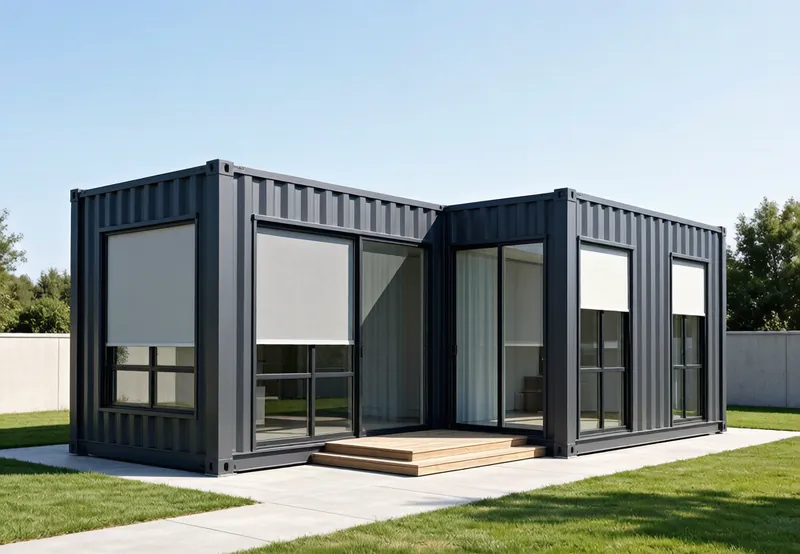
A prefab flat pack labor camp dormitory is a modular worker accommodation unit manufactured in a factory and shipped in flat-packed components for on-site assembly. A standard 20ft unit provides approximately 16m² of living space configured for 4 persons with bunk beds, storage lockers, lighting, and electrical connections. The flat pack design reduces shipping costs by 60–75% compared to pre-assembled units.
How much does a labor camp dormitory cost per unit from China?
A standard 20ft flat pack worker dormitory unit costs $800–$2,500 FOB China depending on insulation specifications, interior finishes, and order quantity. Bulk orders of 50+ units typically achieve 10–15% volume discounts. Total delivered cost including shipping, foundation, and assembly ranges $1,500–$4,000 per unit depending on project location and climate specifications.
What compliance standards do labor camp dormitories need to meet?
Required standards vary by destination country. Saudi Arabia projects require SBC compliance documentation. Australian mining camps require AS 1170 structural compliance. European projects need CE marking. All units should meet ISO 9001 manufacturing quality standards. Always confirm local labor accommodation regulations with your project’s compliance team before finalizing specifications.
How many dormitory units can be shipped in one container?
A standard 40HQ shipping container accommodates 6–8 complete flat pack dormitory units depending on packing configuration. For a 200-unit project, this means 25–34 containers required — versus 50–100 containers for pre-assembled units. Flat pack shipping optimization saves $40,000–$60,000 on a 100-unit project in international freight alone.
How do I verify the quality of a China labor camp supplier?
Request factory visits or live video tours, verify ISO 9001 certificate numbers online, ask for Bill of Lading examples from recent exports to your region, and commission third-party inspection by SGS, Bureau Veritas, or TÜV ($800–$1,500/day). Also request 3+ reference projects with similar scope and client contact details. Budget 1–2% of order value for quality verification.
What is the typical lead time for a bulk labor camp dormitory order?
For a 200-unit order, expect 15–20 days manufacturing, 1–2 days for quality inspection and shipping preparation, and 15–30 days for ocean shipping depending on destination. Assembly of 200 units on-site typically takes 25–45 days with a 12-person crew. Total project timeline from order to occupation is approximately 8–14 weeks.
Next Steps: Source Your Labor Camp Dormitory
Related Guides
- 20ft Detachable Worker Dormitory Guide
- Site Office & Worker Camp Solution
- How to Import Container Houses from China
- Verify China Container House Supplier
Sourcing labor camp dormitories from China requires due diligence, but the rewards — cost savings, faster delivery, and reliable quality — make it the preferred approach for leading EPC contractors worldwide.
Contact our EPC procurement team for a detailed quotation, factory introduction package, and reference project documentation. We respond within 24 hours with a tailored proposal for your project.