Quick Answer: How Many Toilets Do You Need?
As a working rule, provide one toilet per 15–20 users on a site or camp, plus handwash points and at least one accessible stall in any public or commercial block. In practice a 20ft container holds 2–4 stalls plus a handwash area, and a 40ft unit holds 6–8 stalls, a shower block, or a combination. Because a container is durable, lockable and relocatable, it is a better long-term answer than plastic portaloos on any project lasting more than a few weeks.
Why a Container Toilet or Restroom Block
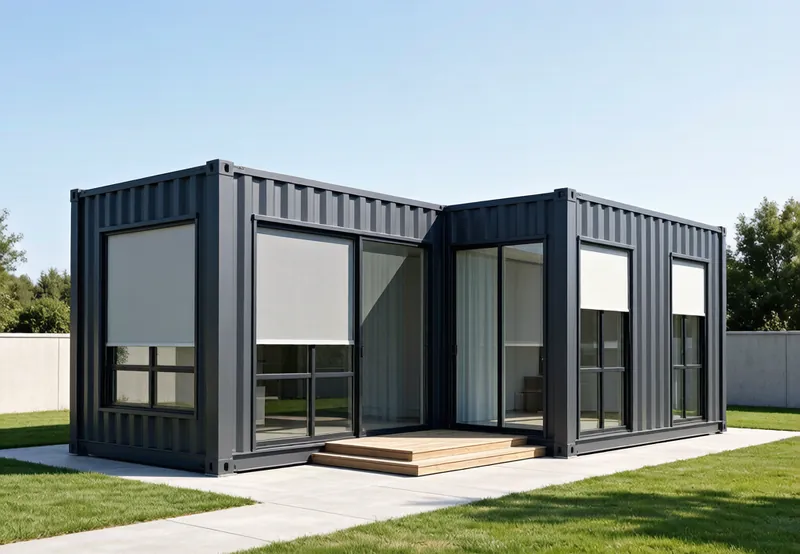
A container makes a robust, movable sanitation block for construction sites, worker camps, events, parks, marinas and remote worksites:
- Durable — steel construction withstands weather, heavy use and rough sites.
- Private and comfortable — solid walls and doors, real fixtures and lighting.
- Reusable — relocate the block to the next project instead of renting again.
- Serviceable — plumbing, ventilation and finishes can be maintained like a building.
- Secure — lockable, so it does not become an after-hours liability.
Types and Capacity
| Type | Footprint | Capacity | Best for |
|---|---|---|---|
| Single portable toilet unit | 20ft | 1–2 stalls | Small sites, temporary use |
| Multi-stall restroom | 20ft | 2–4 stalls + handwash | Crews up to ~60 |
| Multi-stall restroom | 40ft | 6–8 stalls + handwash | Crews of 100+, camps, events |
| Accessible unit | 20ft / 40ft | 1 accessible stall + others | Public and commercial use |
| Shower / change block | 40ft | 4–8 showers + change | Camps, remote sites, marinas |
| Combined washroom | 40ft | Toilets + showers + laundry | Worker camps, long projects |
Plumbing: Mains vs Holding Tank
| Approach | How it works | Best when | Watch-outs |
|---|---|---|---|
| Sewer / septic tie-in | Direct connection to mains or septic | Permanent or long-term sites with services nearby | Trenching and connection cost; confirm falls |
| Holding tank (black water) | Waste stored in an underslung or external tank | Sites without sewer access | Scheduled pump-out; size the tank to usage |
| Grey water | Handwash and shower water to soakaway or tank | Most installations | Keep separate from black water |
| Composting / dry | Waterless systems | Remote, water-scarce sites | Different servicing routine; user training |
Whatever the method, separate black water (toilets) from grey water (basins, showers), and size any holding tank against real daily usage — a 100-person camp generates far more volume than a small site office.
Ventilation and Odour Control
Odour is the main complaint about restroom blocks, and it is a design problem, not an inevitability:
- Extract at source — a powered extractor fan pulling from each stall or from the ceiling void.
- Passive vents — high-level vents let air move through the block even when power is off.
- Make-up air — provide a low-level inlet so the extractor has air to move.
- Seal the floor/wall junction and use coved, wipe-clean surfaces so odours and bacteria do not lodge.
- Non-slip flooring with a fall to a floor drain keeps the block dry and hygienic.
- Lighting inside and outside for safe night use.
Accessibility and Compliance
- Provide at least one accessible stall with a level or ramped approach, adequate internal turning space, grab rails and accessible fixtures.
- Follow local sanitation and plumbing codes for waste handling, connections and venting.
- Confirm electrical and plumbing sign-off requirements with the local authority.
- In public and commercial settings, check the required male/female and accessible stall ratios — these vary by jurisdiction.
- Plan cleaning and servicing access so waste and supplies can be handled without crossing clean areas.
Placement and Servicing
- Level, drained pad with a firm path for users and a clear route for service vehicles.
- Locate near work areas but not against occupied spaces where odour or noise would disturb them.
- Group handwash and sanitation at the entrance for a one-way, hygienic flow.
- Plan pump-out access for holding-tank units — the truck must be able to reach the connection point.
- Consider prevailing wind so extractor exhaust is carried away from work and living areas.
Cost Reality
| Option | Indicative cost | Notes |
|---|---|---|
| Basic 20ft single toilet unit | ~$4,000–8,000 | Simple fit-out, holding tank |
| 20ft multi-stall (2–4 stalls) | ~$8,000–18,000 | Plumbing, ventilation, handwash |
| 40ft restroom block (6–8 stalls) | ~$15,000–35,000 | Crews of 100+; sewer or tank |
| Accessible unit | +$2,000–6,000 | Ramp, grab rails, wider layout |
| 40ft shower / change block | ~$18,000–40,000 | Showers, change, laundry option |
| Portable toilet rental (comparison) | $100–300 per unit per month | Never builds an asset; limited comfort |
Over a project lasting more than a few months, a fitted container block is usually cheaper than continued portaloo rental — and far more comfortable and secure.
Checklist Before You Order
- Calculate required stalls from peak user numbers (roughly 1 per 15–20 users).
- Decide mains connection or holding tank, and size the tank to usage.
- Confirm water supply for handwash and, if applicable, showers.
- Specify ventilation and lighting, including off-grid operation if needed.
- Include at least one accessible stall for public or commercial use.
- Plan servicing access for pump-out and cleaning.
- Confirm local sanitation and electrical requirements before fabrication.
FAQ
Can a container toilet connect to mains sewer?
Yes. Plumb the block directly to a sewer or septic connection where services are available. On sites without services, use a holding tank with scheduled pump-out, sized to daily usage.
Is a container restroom accessible?
It can and should be for public or commercial use. Design at least one accessible stall with a level or ramped approach, internal turning space, grab rails and accessible fixtures, and confirm the required ratios with the local authority.
How many people can one unit serve?
As a rule, provide one toilet per 15–20 users, plus handwash points. A 20ft unit with 2–4 stalls suits crews up to about 60 people; a 40ft block with 6–8 stalls suits 100 or more, or a mix of toilets and showers.
Is it weatherproof and secure?
Yes. Steel construction handles weather and heavy use, and the block locks for after-hours security — a significant advantage over plastic portaloos on unattended sites.
How do you stop the restroom smelling?
Extract air at source with a powered fan, provide passive high-level vents and a low-level make-up air inlet, use non-slip coved flooring with a floor drain, and keep surfaces wipe-clean. Odour is a ventilation problem, and it is solvable.
What is the difference between black water and grey water?
Black water is sewage from toilets and must go to a sewer, septic system or holding tank. Grey water is from basins and showers and can go to a soakaway or separate tank. Always keep the two systems separate.
Can a container restroom work off-grid?
Yes. A holding tank avoids sewer connection, and solar plus battery can power lighting and extractor fans. Water supply is the main constraint — include storage and, where necessary, a pump.
Is a container toilet cheaper than renting portaloos?
Over a project lasting more than a few months, usually yes. A fitted block costs more upfront but is reusable across projects, more comfortable, and far more secure than monthly portaloo rental.