Why Insulation Matters in a Steel Box
A shipping container is a thin steel shell: an excellent thermal conductor and a condensation magnet. Without proper insulation a container home swings between oven and fridge, and “sweats” on the inside as warm humid air meets cold steel. This guide covers the main insulation methods, target R-values by climate, and how to kill condensation.
Insulation Methods Compared
| Method | R-value per inch | Pros | Cons |
|---|---|---|---|
| Closed-cell spray foam | R-6 to R-7 | Air-seals, adds rigidity, best condensation control | Higher cost, pro install |
| PIR / PUR panels | R-6 to R-7 | Factory-consistent, fast | Needs careful sealing at joints |
| Mineral wool / fiberglass + vapor barrier | R-3 to R-4 | Cheap, DIY-friendly | Needs a vented cavity; risk if damp |
| Reflective / radiant barrier | Low R, high reflectivity | Great for hot roofs | Not enough alone in cold climates |
Closed-cell spray foam is the default recommendation for container homes: it bonds to the steel, blocks air leakage, and its impermeability stops interior condensation when detailed correctly.
R-Value Targets by Climate
| Climate | Wall target | Roof target | Notes |
|---|---|---|---|
| Hot & humid (e.g. SE Asia, Gulf) | R-13 to R-19 | R-19 to R-30 | Prioritize solar reflectivity + ventilation |
| Hot & dry (desert) | R-13 to R-19 | R-19 to R-30 | Mass + night cooling helps |
| Cold (north US, N. Europe, Canada) | R-19 to R-25 | R-30 to R-40 | Thicker foam; watch thermal bridging at ribs |
| Mixed / four-season | R-19 | R-30 | Balance both extremes |
Roofs need more R than walls because heat rises and the top deck bakes in summer.
Stopping Condensation (the Real Problem)
Condensation forms when warm moist indoor air touches a surface below its dew point — and bare steel is cold. Control it with:
- A continuous vapor barrier on the warm-in-winter side (usually the interior foam).
- No uninsulated cold bridges — cover the full steel, including corrugation valleys and ribs.
- Ventilation — mechanical extract in kitchen/bathroom prevents humidity buildup.
- A thermal break between steel and interior finishes where possible.
Spray foam applied directly to the steel interior is the simplest reliable system: it keeps the steel at near room temperature, so dew point is never reached on the metal.
Insulating Walls, Roof & Floor
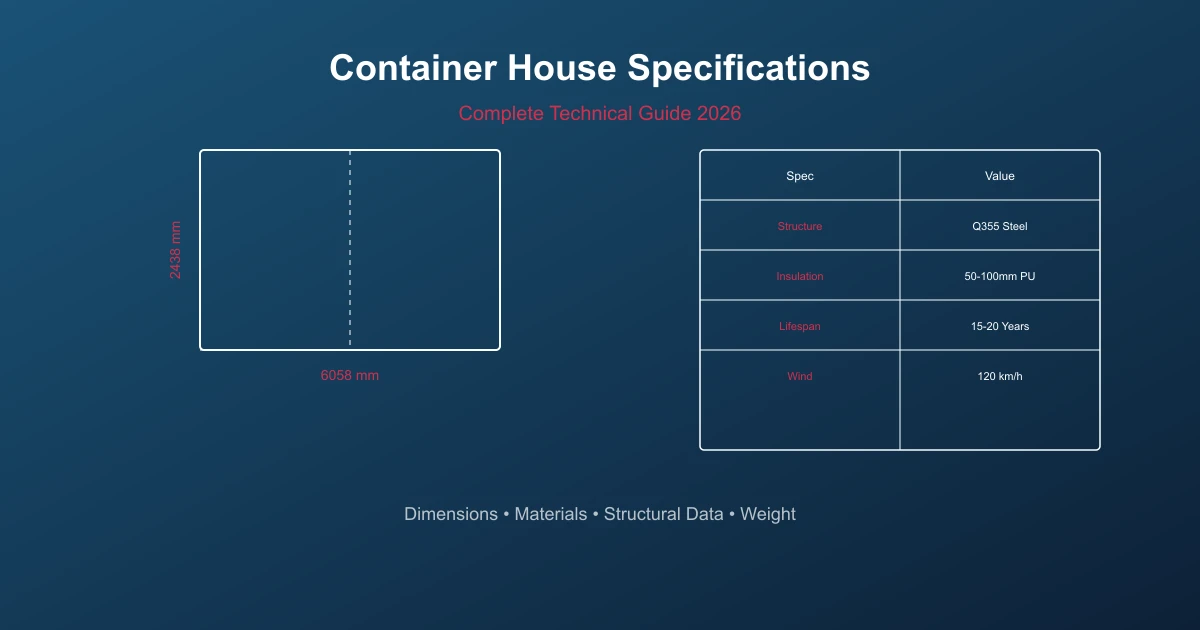
- Walls: 50–100 mm closed-cell foam, or PIR panels with taped seams. Leave the exterior steel exposed (it’s the weather skin).
- Roof: add a raised (vented) roof above the container top — an air gap breaks the direct heat path and stops the “stoved” effect. Insulate the original roof deck too.
- Floor: original plywood over steel is often enough; add rigid foam + new plywood if the floor feels cold.
Common Mistakes
- Insulating only the walls and leaving the roof as a bare hot plate.
- Skipping the vapor barrier, leading to mold behind finishes.
- Trapd moisture by sealing both sides (let one side breathe per climate).
- Under-insulating ribs, creating cold stripes and drips.
FAQ
What is the best insulation for a container house?
Closed-cell spray foam — it air-seals, adds rigidity, and prevents condensation by keeping the steel warm. PIR panels are a close second for factory builds.
How much R-value do I need?
Walls R-13 to R-25 and roofs R-19 to R-40 depending on climate; cold regions need the higher end. Always insulate the roof more than the walls.
How do I stop condensation in a container home?
Insulate the full steel interior with closed-cell foam (vapor-impermeable), vent wet rooms, and avoid cold bridges. Bare steel + humid air = dripping walls.
Can I use fiberglass batting?
Yes, but only inside a properly detailed, vented, vapor-controlled assembly — it is less forgiving than foam and fails if it gets damp.