Quick Answer: What Does a Container Cafe Need?
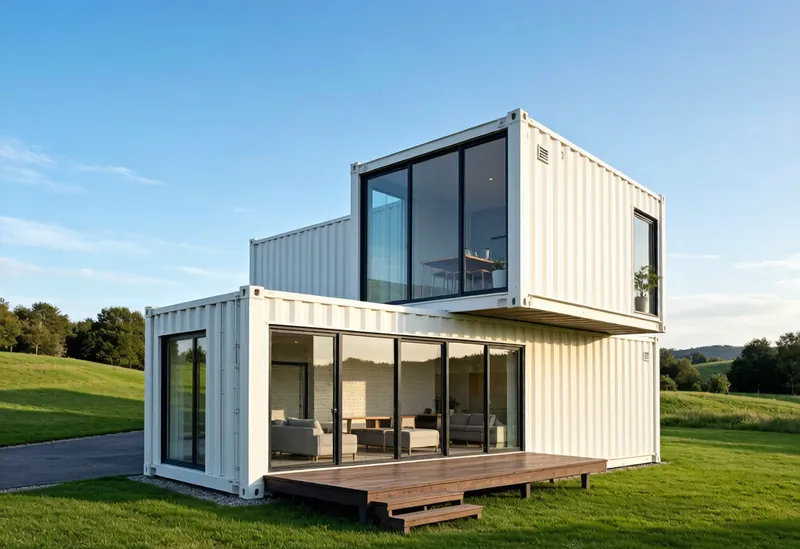
A single 20ft container makes a complete grab-and-go coffee window; a 40ft unit adds indoor seating and a fuller menu. Budget roughly $25,000–45,000 for a fitted 20ft cafe (unit, fit-out, equipment and services) and $45,000–90,000 for a 40ft dine-in unit, before land and permits. The three things that decide whether it works are location and footfall, utility capacity (espresso machines draw heavy power and need a grease trap if you cook), and food-service permitting. Containers win on speed, cost and mobility — you can test a market before signing a lease.
Why Build a Cafe from Containers
- Speed — a fitted unit can open in weeks rather than months of shopfitting.
- Cost — typically far less than a comparable retail fit-out.
- Mobility — move to events, markets or a better location, subject to local permits.
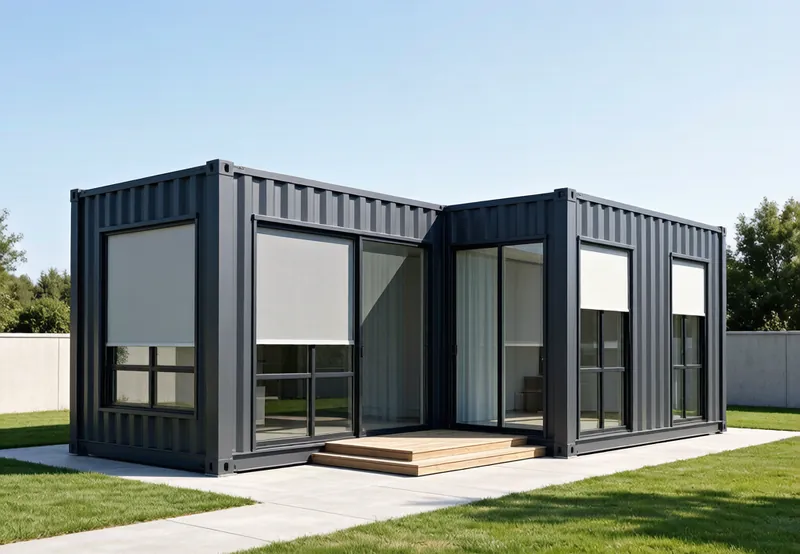
- Brand character — industrial lines and large glazing are inherently photogenic.
- Modular growth — start with a window unit, add seating or a kitchen unit later.
Layout Options and Capacity
| Layout | Footprint | Capacity | Best for |
|---|---|---|---|
| Single 20ft + service window | ~14.8 m² | Grab-and-go, 2–4 staff | Markets, high-footfall pitches, pop-ups |
| 40ft with indoor seating | ~29.7 m² | 12–20 covers | Neighbourhood cafe, small dine-in |
| 20ft + 20ft (service + seating) | ~29.6 m² combined | 20–30 covers | Busy sites needing separate prep |
| L-shape / multi-unit | 2–3 units | 30–50 covers | Cafe with patio, courtyard or drive-through |
Service Window and Workflow
Design the customer side and the staff side separately, and keep the walk path short — throughput is what pays the rent:
- Order and pickup window on the customer face, sized for trays and cups.
- Prep line inside: grinder, espresso machine, sink, under-counter fridge, cup and milk storage.
- Queue space outside under a small awning so waiting customers stay comfortable and visible.
- One-way workflow — order, make, hand off — avoids staff crossing paths during a rush.
- Second window for mobile-order pickup if volume justifies it.
Utilities: The Real Loads
Under-specifying utilities is the most common and most expensive mistake in a container cafe:
| System | Typical load / requirement | Notes |
|---|---|---|
| Espresso machine | 3–7 kW, dedicated circuit | Often needs a 32A supply; do not share with other high loads |
| Refrigeration | 1–3 kW continuous | Under-counter fridges and display cases |
| Lighting, POS, Wi-Fi | 1–2 kW | Plan for growth |
| Total supply | Commonly 10–15 kW+ | Size for simultaneous peak, not average |
| Water | Fresh supply + pressure | Espresso machines need stable pressure and filtration |
| Grey water | Drainage with a grease trap if cooking | Required by most health authorities |
| Ventilation | Extraction hood for cooking | Steam and grease need dedicated extraction |
| Waste | Bins and oil/grounds handling | Plan access for collection |
A backup supply or generator is worth considering if your pitch has unreliable power, because a cafe that cannot make coffee has no revenue.
Fit-Out Cost Breakdown
| Item | Indicative cost (20ft) |
|---|---|
| Container unit (new or one-trip) | $3,000–6,000 |
| Insulation, lining and finishes | $3,000–8,000 |
| Electrical fit-out and supply upgrade | $3,000–8,000 |
| Plumbing, sinks and grease trap | $2,000–5,000 |
| Ventilation / extraction | $1,000–4,000 |
| Service window, awning and signage | $2,000–6,000 |
| Espresso machine and equipment | $6,000–20,000 |
| Furniture, decking and landscaping | $2,000–10,000 |
| Indicative total (fitted, 20ft) | $25,000–45,000 |
A 40ft dine-in cafe with more seating and a fuller kitchen typically lands at $45,000–90,000, excluding land, permits and utility connection fees.
Throughput and Revenue Maths
A worked illustration for a 20ft window unit:
| Metric | Example |
|---|---|
| Drinks per hour at peak | 60–100 |
| Trading hours per day | 8 |
| Drinks per day (at 60% of peak capacity) | ~300–450 |
| Average spend | $5 |
| Daily revenue | ~$1,500–2,250 |
| Monthly revenue (26 days) | ~$39,000–58,500 |
| Gross margin on drinks | 70–80% |
| Payback on a $35,000 fit-out | Often under 12 months at strong footfall |
These figures depend entirely on location and footfall — the same unit in a weak pitch will not perform. Test with a pop-up before committing to a permanent site.
Branding and Fit-Out
- Cladding — timber, metal, corten or a living wall softens the industrial look.
- Signage and a bold window frame make the unit instantly recognisable and shareable.
- Seating — a few stools at the window for quick sales, or a deck and patio to increase dwell time and average spend.
- Lighting — warm exterior lighting extends trading into the evening.
- Weather protection — an awning or canopy keeps the queue dry and the service window usable year-round.
Permits for Food Service
Food rules are stricter than for homes, and they apply before you open:
- Health department approval for food preparation, storage and hygiene.
- Water, waste and grease compliance, including a grease trap if you cook.
- Zoning for commercial use, outdoor seating and customer parking.
- Electrical and plumbing sign-off by licensed trades.
- Fire safety — extinguishers, alarms and clear egress.
- Mobile/pop-up rules — if the unit moves, each site may need its own approval.
Checklist Before You Order
- Validate footfall and target spend at your intended pitch.
- Confirm zoning and food-service permits before buying.
- Calculate total electrical load and confirm the supply can carry it.
- Plan water supply, drainage and grease trap.
- Specify ventilation and extraction for your menu.
- Budget the full fit-out and equipment, not just the container.
- Plan queue space, seating and weather protection.
- Model throughput and payback with conservative footfall.
FAQ
How big is a container cafe?
A 20ft unit (~14.8 m²) suits a grab-and-go window operation; a 40ft unit (~29.7 m²) allows indoor seating for 12–20 covers and a fuller menu. Multi-unit layouts suit busier sites with separate prep and seating.
Can a container cafe be moved?
Yes — that is a key advantage. You can relocate it to events, markets or a better pitch, subject to permits at each site. Mobility lets you test demand before committing to a long lease.
What permits does a container cafe need?
Food service typically needs health department approval plus water, waste and grease compliance, commercial zoning, and licensed electrical and plumbing sign-off. If the unit moves, each location may need its own approval.
How much power does a container cafe need?
Espresso machines alone draw 3–7 kW on a dedicated circuit, and total demand commonly reaches 10–15 kW with refrigeration, lighting and POS. Size the supply for simultaneous peak loads, and consider backup power if the site supply is unreliable.
Is a container cafe cheaper than a shop?
Usually yes on fit-out and speed, but you still pay for utilities, permits and a good location. The saving is greatest when you avoid a long retail lease and fit-out, and when the site already has power and water.
Do I need a grease trap?
If you cook or prepare food that produces grease, yes — most health authorities require a grease trap, and it must be sized to your kitchen. Espresso-only operations still need drainage for washing, but the grease load is lower.
How much can a container cafe earn?
At strong footfall a 20ft window unit can serve 300–450 drinks a day, generating roughly $1,500–2,250 daily at a $5 average spend, with drink margins of 70–80%. Results depend almost entirely on location and footfall.
Can I run a container cafe off-grid?
It is possible with solar plus battery and water storage, but the espresso machine’s high draw makes off-grid operation expensive. Off-grid suits low-power menus or sites with a generator backup.