Quick Answer: What Does a Container Shop Cost and Hold?
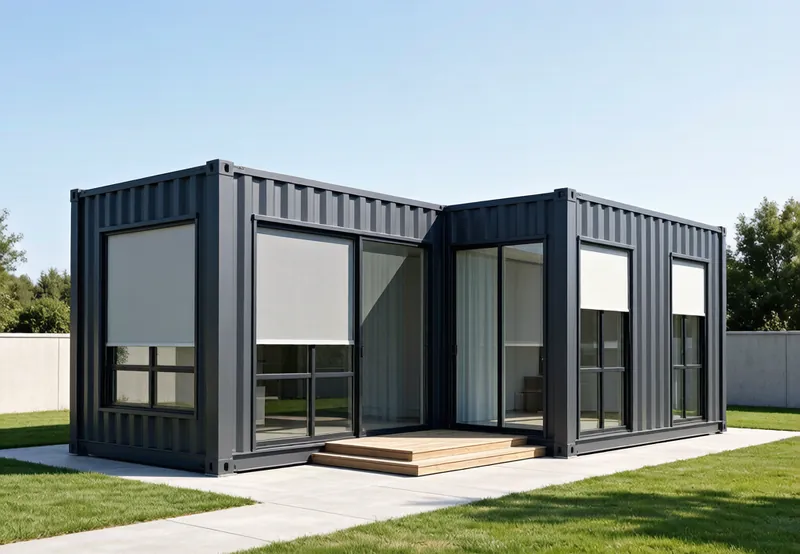
A 20ft container makes a complete kiosk or boutique at roughly $15,000–35,000 fitted (unit, cladding, display, power and lighting), while a 40ft unit gives a fuller store with stock room for about $30,000–60,000. Both open in weeks rather than months, and both can be relocated if a pitch underperforms. The decisions that make or break a container shop are location and footfall, customer flow (how quickly people can browse, pay and leave), and permits — not the container itself.
Why a Container Shop
- Speed — a fitted unit can open in weeks, not after a long shopfit.
- Cost — typically well below a comparable retail fit-out.
- Mobility — move to events, markets or a better pitch, subject to permits.
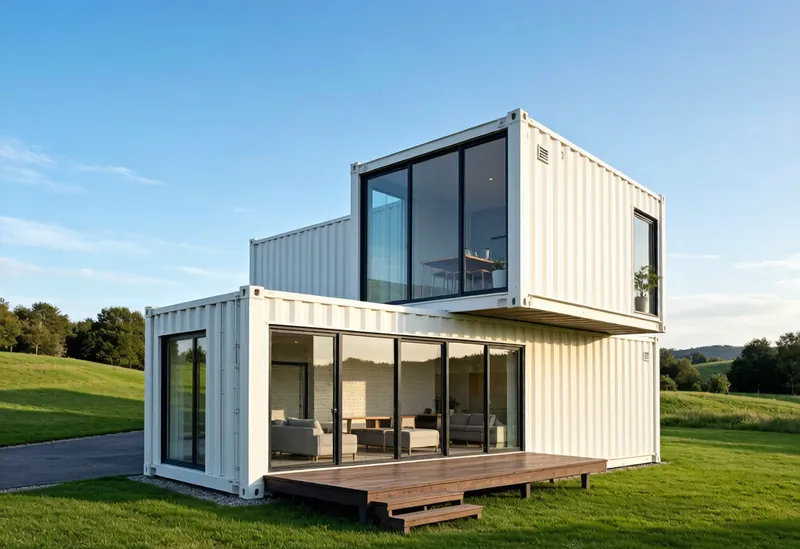
- Character — industrial lines and large glazing make the store a landmark.
- Modular growth — start with one unit and add a second for storage or seating.
Layout and Capacity
| Layout | Footprint | Best for |
|---|---|---|
| 20ft kiosk / window shop | ~14.8 m² | Grab-and-go, market pitch, boutique window |
| 40ft store | ~29.7 m² | Browsable retail with back-of-house stock |
| 20ft shop + 20ft store | ~29.6 m² combined | High-turnover retail needing real storage |
| Multi-unit strip / market | 3+ units | Pop-up market, food-and-retail cluster |
Customer Flow and Display
Keep the path short — browse, pay, leave — because throughput is what pays the pitch:
- Front display — the window and entrance zone carry your best sellers and the brand statement.
- Service counter — positioned so staff see both the door and the queue; include POS and a handoff point.
- Back storage — stock, packaging, staff area and a small sink if needed.
- Outside — awning, signage, and a defined queue space so waiting customers stay comfortable.
- Aisles — in a 20ft unit keep circulation to one side; in a 40ft unit a single central aisle usually beats two.
Branding and Fit-Out
- Cladding — timber, metal, corten or painted panels set the tone and hide the corrugation.
- Signage and bold colour make the unit a landmark and a photo opportunity.
- Lighting inside and in the window drives evening trade and product visibility.
- Deck or awning adds usable selling space and weather protection.
- Display joinery — modular shelving and hanging rails adapt as your range changes.
Power, Data and Services
| System | Typical requirement | Notes |
|---|---|---|
| Lighting | 0.5–1.5 kW | LED; window lighting on a separate switch |
| POS and network | 0.5 kW | Reliable internet or 4G/5G router for card payments |
| A/C or heating | 2–4 kW | Keeps staff and stock comfortable; required for some goods |
| Refrigeration | 1–3 kW | Only if you sell chilled or frozen goods |
| Total supply | Commonly 5–10 kW | Size for peak, not average |
Plan card and contactless payments from day one — a shop that cannot take cards loses sales. If your pitch has unreliable power, a small generator or battery backup keeps the till and lighting running.
Fit-Out Cost Breakdown
| Item | Indicative cost (20ft) |
|---|---|
| Container unit (new or one-trip) | $3,000–6,000 |
| Insulation, lining and flooring | $2,000–6,000 |
| Electrical fit-out and lighting | $2,000–5,000 |
| Cladding and exterior finish | $2,000–6,000 |
| Signage and window treatment | $1,000–4,000 |
| Display joinery and counter | $2,000–8,000 |
| A/C or heating | $800–2,500 |
| Awning / deck | $1,500–6,000 |
| Indicative total (fitted, 20ft) | $15,000–35,000 |
A 40ft store with a stock room and fuller fit-out typically lands at $30,000–60,000, excluding land, permits and utility connection fees.
Pop-up vs Permanent
| Pop-up | Permanent | |
|---|---|---|
| Duration | Days to a season | Years |
| Foundation | Level pad or blocks | Piers, slab or footings |
| Services | Temporary power, water if needed | Full utility connection |
| Permits | Temporary-use / event approval | Commercial zoning and building approval |
| Best for | Testing a market, events, seasons | Anchoring a location |
A common strategy is to start as a pop-up, prove the pitch, then make it permanent once the numbers work.
Footfall and Revenue Maths
| Metric | Example (20ft kiosk) |
|---|---|
| Footfall past the unit | 500–2,000 people/day (location dependent) |
| Conversion | 3–8% |
| Transactions per day | 20–120 |
| Average transaction value | $15–40 |
| Daily revenue | ~$400–3,000 |
| Gross margin | 40–60% (retail goods) |
| Payback on a $25,000 fit-out | Often under 12 months at strong footfall |
The same unit in a weak pitch will not perform. Validate footfall and average spend before committing to a location or a fit-out level.
Permits
- Zoning for commercial use, outdoor display and customer parking.
- Business/retail licence and any signage or advertising rules.
- Electrical sign-off by a licensed trade for wired fit-out.
- Temporary-use approval for pop-ups and event pitches.
- Food-service rules if you sell prepared food or drinks (see the cafe guide).
Checklist Before You Order
- Validate footfall, conversion and average spend at the intended pitch.
- Confirm zoning and business licensing before buying.
- Choose 20ft vs 40ft from your range depth and storage needs.
- Plan customer flow — browse, pay, leave — and queue space.
- Specify power, lighting, data and climate control for your goods and staff.
- Decide pop-up or permanent, and the foundation and services that implies.
- Model payback with conservative footfall.
FAQ
How big is a container shop?
A 20ft unit (~14.8 m²) suits a kiosk, window shop or small boutique. A 40ft unit (~29.7 m²) allows a browsable store with a back-of-house stock area, or combine two units for retail plus storage.
Can I move a container shop later?
Yes — that is one of the main advantages. You can relocate to events, markets or a better pitch, subject to permits at each site. Mobility lets you test demand before committing to a long lease.
What does a container shop cost?
A fitted 20ft shop commonly costs $15,000–35,000 and a 40ft store $30,000–60,000, depending on cladding, display, power and destination. That excludes land, permits and utility connection fees.
Is a container shop good for food retail?
For packaged goods, yes. For prepared food and drinks you need food-service compliance — health approval, grease and waste handling, and ventilation — which is covered in the container cafe guide.
Do I need a permit for a container shop?
Usually yes: commercial zoning, a business licence, and licensed electrical work, plus temporary-use approval for pop-ups. Check with the local authority before buying, because zoning is usually the deciding factor.
How much power does a container shop need?
Most units need 5–10 kW for lighting, POS, air conditioning and any refrigeration. Espresso machines and commercial kitchen equipment push this higher; size the supply for simultaneous peak loads.
Can a container shop run off-grid?
For packaged retail with modest power needs, solar plus battery is workable. Refrigeration and air conditioning make off-grid expensive, so most retail units connect to mains where possible.
How quickly can I open?
Typically 4–10 weeks from order to opening for a fitted unit, depending on production, shipping and local permits — far faster than a comparable retail shopfit.